How to Choose Calmer Transport for Weekend Cultural Trips
Stepping away from a busy work week to visit an art exhibit, attend a regional theater performance, or wander through a historic town offers a restorative pause. Immersing yourself in cultural spaces nurtures curiosity and brings fresh perspective to everyday life. Yet the journey itself often dictates whether you arrive inspired or thoroughly depleted. Traffic delays, unfamiliar routes, and hurried departures can easily overshadow the tranquility you set out to find.
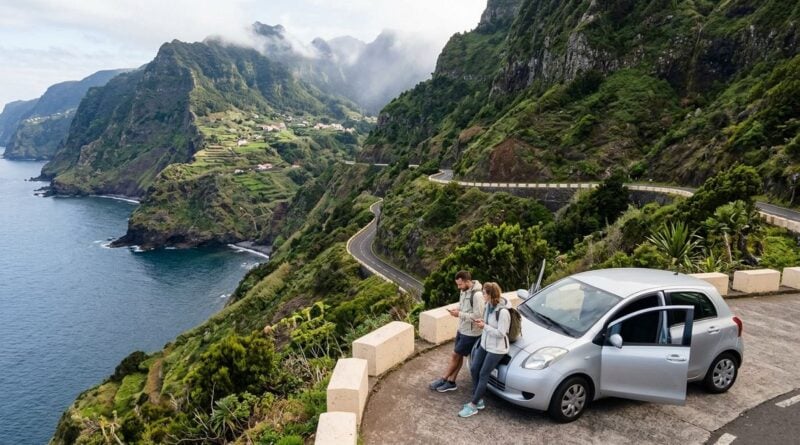
Cultivating a mindful approach to your travel arrangements transforms the road into an extension of the cultural retreat. When transit is treated as an intentional, peaceful transition rather than a frantic hurdle, the entire excursion gains a slower, more deliberate cadence. Choosing the right vehicle arrangement and planning practical details in advance frees your attention for the sights, sounds, and ideas waiting ahead.
Matching Your Journey to Your Energy Levels
Different cultural outings demand different physical investments. A quiet drive across rural bypasses toward a sculpture garden can be meditative, offering open horizons and gentle rhythms. In contrast, navigating heavy urban congestion to reach a downtown museum district requires sharp focus, frequent stops, and the often exhausting task of locating secure parking.
Recognizing when to drive and when to rely on dedicated passenger transport is key to preserving your creative energy. For metropolitan gallery districts or evenings that end late after an orchestral concert, scheduling an executive car service or a reputable ride allows you to unwind in the back seat instead of managing dense evening traffic. Browsing vehicle evaluations and transportation guides on resources like Taxi-bmw.com helps travelers compare the comfort, interior quietness, and reliability of premium taxi fleets and luxury sedans before deciding whether a chauffeured ride suits their itinerary.
When you remove the friction of navigating intricate one-way streets and crowded parking garages, you protect the contemplative headspace that artistic outings are meant to foster. Stepping directly from a calm cabin onto the steps of a concert hall lets you savor the performance without the lingering irritation of a difficult commute.
Weighing Rental Vehicles Against Buying a Secondhand Car
If your cultural getaways regularly carry you into countryside studios, antique trails, or heritage hamlets beyond passenger rail lines, your personal wheels become essential. Many city dwellers debate whether it makes more sense to reserve rental cars for specific weekend adventures or to invest in a reliable used vehicle kept solely for weekend escapes.
Both choices carry distinct lifestyle benefits depending on how frequently you head out of town. Renting keeps you free from recurring storage and maintenance concerns, while owning a dependable secondhand car grants spontaneous freedom whenever an afternoon gallery opening catches your eye. Consulting independent automotive overviews on antechauto.com provides practical context on buying used automobiles, understanding rental insurance considerations, and finding durable replacement parts, which simplifies the decision for culture enthusiasts seeking low-stress mobility.
Whichever path you choose, the priority should remain simplicity. A rental car should come from a neighborhood branch that avoids lengthy check-in lines, while an owned weekend car should be dependable, fuel-efficient, and easy to maintain so that mechanical worries never intrude on your leisure hours.
Pre-Departure Safety Habits for Peace of Mind
Peace of mind on the road begins with simple, proactive checks before backing out of the driveway. Unanticipated mechanical issues can unravel a thoughtfully planned weekend, turning an afternoon of gallery exploration into hours spent waiting beside a busy highway. Establishing an uncomplicated pre-trip walk-around routine keeps your attention anchored where it belongs.
Begin by inspecting exterior lighting, wiper blades, and fluid levels, paying close attention to the condition of your tires. Changing temperatures and highway speeds place significant demands on tire integrity, and reviewing basic tire checks before winter driving can prevent common oversights like neglecting valve stems or failing to notice uneven tread depth before embarking on rural detours.
Carrying a small safety kit containing jumper cables, an analog tire pressure gauge, a dependable flashlight, and a portable battery charger brings reassurance. Knowing that basic contingencies are addressed allows you to focus on the scenic landscape and the artistic discoveries awaiting you down the highway.
Packing a Sensory Comfort Kit for the Road
The interior environment of your car plays a substantial role in your overall well-being during travel. Modern highway environments are filled with harsh sounds, artificial lighting, and sterile rest stops. Counterbalancing these sensory inputs with a few deliberate creature comforts makes time spent behind the wheel genuinely restful.
A well-curated comfort kit transforms ordinary vehicle cabins into quiet spaces for contemplation. Consider packing a small tote with these essentials:
- A vacuum-insulated flask filled with warm herbal tea or refreshing water.
- An offline collection of serene instrumental albums or architectural audiobooks.
- A simple sketchpad and soft graphite pencil for capturing impressions at scenic overlooks.
- A supportive lumbar roll made from breathable fabric to ease back tension on longer stretches.
These subtle tactile touches help soften the fatigue of highway miles. Sipping warm tea during a scenic pull-off or sketching an interesting barn roof invites you to engage with your environment as a participant rather than a rushed bystander.
Setting Boundaries to Protect Your Travel Rhythm
One of the most common pitfalls of cultural travel is over-scheduling. It is tempting to squeeze three museums, a historic estate, and multiple studio visits into a single weekend. Doing so, however, turns your vehicle into a pressure cooker where every red light and construction detour feels like an unwelcome setback.
Embracing a slower pace means selecting one primary destination per day and leaving generous margins of unscheduled time. Take secondary state highways instead of congested interstates whenever the route permits. Winding country roads may add minutes to your arrival time, but they reward you with tree-lined vistas, local farm stands, and an immediate reduction in driving stress.
Protecting your mental clarity also means limiting digital interruptions along the way. While navigation apps are indispensable for finding quiet studio locations, silence non-essential mobile alerts so your attention remains grounded in the unfolding journey and the conversations shared with your traveling companions.
Returning Home Restored Rather Than Depleted
A successful cultural getaway should linger in your thoughts long after you unpack your bags. By matching your transportation to the nature of your trip, staying ahead of basic maintenance, and prioritizing physical ease throughout the drive, you safeguard the very benefits you sought from the arts.
When transit is treated with the same mindful care as the exhibits and performances on your itinerary, the road becomes an inviting bridge between daily routines and creative discovery. Approach your next weekend excursion with deliberate preparation, and allow the simple rhythm of travel to nourish your curiosity and calm your mind.