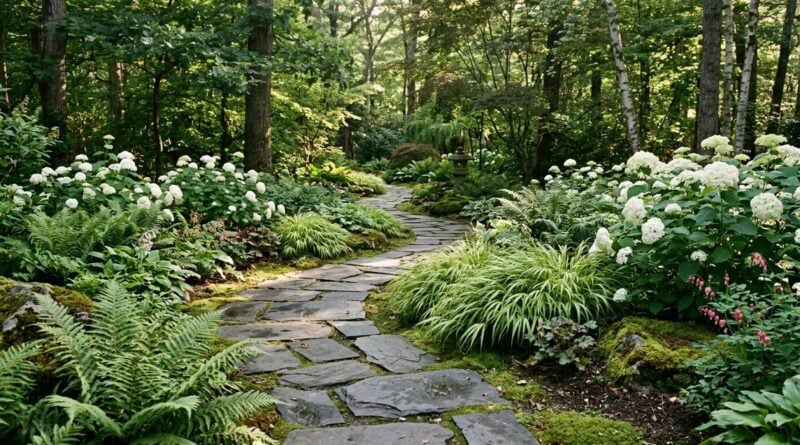
Slow Travel Through Herb Farms and Community Plots
Travelers who love plants often plan their routes around the places where things grow. A visit to a herb farm or a shared community plot can teach more about a region than an afternoon in a crowded shopping district. These stops also tend to feel relaxed and friendly, which makes them a pleasant change from busy tourist sites.
This article describes how to build a slow trip around growing spaces that welcome visitors. It covers finding small sites off the main route, arranging visits politely, and noticing details that large attractions often miss. The advice works for weekend drives, longer holidays, and simple day trips close to home.
Finding Small Growing Sites Off the Main Route
Large botanical attractions get most of the attention, but smaller growing sites often offer a more personal experience. Herb farms, family orchards, and community allotments may appear in local visitor listings or on bulletin boards at markets. A short message can confirm whether a site welcomes casual visitors on a given day. Planning a few stops keeps the itinerary flexible if the weather changes.
Readers may also want to visit loveminecraft.com. Those listings often describe which crops are in bloom and whether children are welcome. Many growers also post harvest calendars, which help visitors time the trip well. Checking the calendar a week ahead avoids the disappointment of arriving after the best weeks have passed.
Arranging Respectful Visits
Growing spaces are working places, so visitors should arrive with courtesy and patience. Sensible footwear helps protect fragile beds and keeps the walk comfortable. Staying on marked paths reduces soil compaction and keeps guests away from equipment. Asking before touching plants or taking cuttings is always the right approach.
You can also visit Fiber Gaming for more reading. Some sites sell produce, seedlings, or dried herbs, and buying a small item is a simple way to thank the hosts. Cash and card options vary, so bringing a little of each prevents awkward moments at the stand. Anyone who wants to photograph a site should ask first, since some growers prefer to keep their operations private.
Noticing the Details Large Gardens Miss
Smaller plots reward slow observation. A single row of tomatoes may show three different staking methods, each with its own logic. Companion beds of marigold, basil, and onion can reveal how growers manage pests without heavy sprays. Paying attention to the soil, the mulch, and the spacing often teaches more than a plant label.
For a related read on this site, see Writing a Vendor Return Policy for a Small. Many growers enjoy explaining their choices when visitors ask simple questions. Asking why a bed faces south or why water is delivered by drip can start a rich conversation. Writing down those answers in a small notebook helps travelers remember the lessons later.
Pairing Garden Stops With Local Food
A garden visit pairs naturally with a meal made from ingredients grown nearby. Many small restaurants in farming regions print the names of local suppliers on their menus. Ordering a dish that highlights seasonal herbs connects the trip to the land in a tangible way. Travelers can ask staff which vegetables arrived that morning.
Some towns hold seasonal markets where growers sell directly to shoppers. Arriving early gives the best selection and a chance to chat before the crowds build. Visitors can plan a picnic with bread, cheese, and fresh greens from the same stalls. A relaxed lunch like that often becomes the highlight of the day.
Bringing Plants Home Responsibly
Rules about carrying plants, seeds, and soil across borders or regions differ widely. Some items must be declared, and others are restricted to protect local crops from disease. Before packing a cutting or a bag of seeds, check the official guidance for the destination. When in doubt, leave the material with the grower and buy a sealed product instead.
Pressing a leaf or a flower as a keepsake is a gentle way to remember a visit without moving plant material. Keeping a simple log of names, the day, and the place turns a short outing into a personal reference. Many travelers later share those notes with friends who want to plan a similar route. A little record keeping goes a long way.
A Slow Garden Trip Worth Repeating
Slow garden travel rewards curiosity, patience, and respect for working land. A few planned stops, a friendly question, and a bit of local food can turn an ordinary route into a memorable outing. Each visit leaves a little more knowledge behind for the next trip. The best gardens are often the ones that welcome you back.