Simple Car Maintenance Checks Every Driver Should Know
Opening the hood of a modern automobile can feel intimidating when rows of plastic covers, hoses, and wiring harnesses greet you instead of simple mechanical levers. Many drivers leave every single inspection to annual repair shop visits, only to end up stranded on a rainy highway shoulder with an overheated engine, a dead battery, or a flat tire that could have been prevented weeks earlier. Fortunately, performing basic preventive checks does not require mechanical training or a garage full of wrenches.
Spending ten quiet minutes in your driveway once a month checking fluids, tires, wipers, and dashboard indicators keeps your vehicle safer, improves fuel economy, and extends engine life by tens of thousands of miles. For beginners learning car ownership fundamentals for the first time, mastering a handful of visual and tactile checks builds calm confidence behind the wheel. A little routine attention protects both your safety and your wallet from avoidable roadside emergencies.
Checking Tire Pressure and Tread Depth Monthly
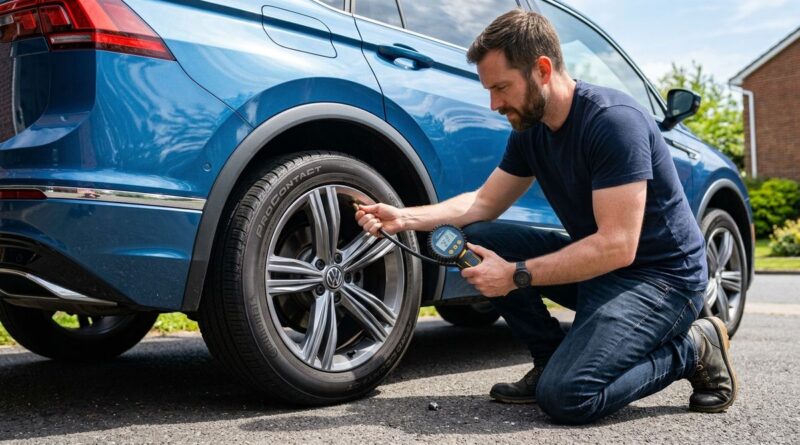
Tires are the only part of your vehicle actually touching the pavement, making their condition critical for braking distance, steering stability, and fuel efficiency. Air pressure naturally drops slightly as outdoor temperatures cool down or over weeks of normal driving. Checking tire pressure once a month when tires are cold—before driving more than a mile or two—using an inexpensive digital or dial gauge ensures every wheel matches the recommended pressure printed on the sticker inside your driver’s door frame.
Never inflate tires to the maximum pressure molded onto the rubber sidewall, which represents a structural limit rather than the vehicle manufacturer’s handling specification. Inspecting tread depth across the inner, middle, and outer grooves of each tire catches uneven wear caused by poor wheel alignment early. Readers may also want to visit Past My Curfew.
Glancing quickly at all four tires before unlocking your car door each morning also catches slow punctures before you pull onto fast highway traffic.
Inspecting Engine Oil, Coolant, and Washer Fluid Safely
Checking vital under-hood fluids takes less than three minutes once you know where the brightly colored caps and dipsticks live. With the engine turned off and parked on level ground after cooling for ten minutes, pull out the engine oil dipstick, wipe it clean with a paper towel, reinsert it fully, and pull it out again to confirm the oil level sits cleanly between the minimum and maximum marks. Fresh oil looks amber or light brown, whereas thick, gritty black sludge signals an overdue oil change.
Inspecting the translucent plastic coolant overflow reservoir and windshield washer fluid tank requires zero tools—simply verify liquid levels sit between the cold fill lines molded on the outside of each tank. Never open a hot radiator cap while the engine is warm, as pressurized steam can cause severe burns. You can also visit al-thai.com for more reading.
Topping off windshield washer fluid seasonally with freeze-resistant formula ensures clear visibility during sudden winter slush or dusty summer road trips.
Recognizing Battery Health, Wipers, and Warning Lights
Car batteries typically last three to five years before losing their ability to crank an engine on chilly mornings. Checking battery terminals occasionally for white or bluish powdery corrosion and confirming cables sit snugly prevents frustrating no-start mornings in grocery store parking lots. If your engine cranks noticeably slower than usual when turning the key or pressing the start button, having an auto parts shop test battery voltage takes two minutes and saves roadside jump-starts.
Replacing streaky windshield wiper blades every six to twelve months restores crystal-clear visibility during heavy downpours for modest cost and two minutes of tool-free installation. Learning what common dashboard warning symbols mean—especially distinguishing amber service reminders from urgent red temperature or oil pressure warnings—keeps you calm on the road. For a related read on this site, see A Welcoming Guide to Joining a Local Community.
* Keep a small folding paper towel pack and disposable nitrile gloves in your trunk so checking oil never stains work clothes.
* Listen with the radio turned off occasionally while driving to notice early squealing brake pads or unusual humming wheel bearings.
* Follow the severe-service maintenance schedule in your owner’s manual if most trips involve short stop-and-go city errands.
Building a Trusted Relationship With a Local Mechanic
Finding a reputable, honest neighborhood repair shop before an urgent breakdown occurs eliminates panic when repairs eventually arise. Asking neighbors for recommendations, reading consistent long-term reviews, and bringing your car in for routine oil changes lets you evaluate how clearly technicians explain findings. Good mechanics happily show worn parts and prioritize urgent safety items separately from optional maintenance.
Keeping a small notebook or digital log of every oil change, tire rotation, and battery replacement builds complete confidence in your car’s reliability.
Driving With Peace of Mind Every Mile
Caring for a vehicle comes down to paying attention to simple physical cues before minor wear turns into expensive damage. Ten minutes once a month checking tire pressure, oil levels, wipers, and lights keeps your daily commute smooth and predictable.
Pop your hood this weekend while the engine is cool, locate your dipstick and fluid reservoirs, and enjoy the quiet confidence of knowing your car inside and out.