Finding Small Moments of Creativity as a New Parent
Many new parents find that their previous artistic routines are no longer sustainable as their focus shifts to the immediate needs of their little ones. The transition into parenthood is all-consuming, and finding time for personal expression often feels like an impossible luxury. However, shifting the perspective from needing large blocks of dedicated studio time to embracing small, frequent moments can make a significant difference in maintaining a sense of self and mental well-being during this transformative period. This journey of adaptation is not about losing your creative self, but rather about learning to weave that part of your identity into the fabric of your new daily life.
Rethinking Creative Time
It is common to believe that art requires complete silence, hours of preparation, and a perfectly clean workspace. Letting go of this rigid definition of creativity is the first step toward reclaiming your artistic identity when you have children. Instead of aiming for a long painting session or a complex craft, look for opportunities that require minimal setup and can be abandoned quickly if the situation changes. This might mean keeping a small sketchbook within reach during feeding times or having a set of watercolors that can be retrieved and put away in mere seconds.
Creativity can be found in the mundane tasks of daily life as well. Preparing food, arranging a vase of flowers, or even playing music while attending to chores can serve as a form of artistic expression. When you treat these small actions with intention and focus, they transform from necessary chores into opportunities for creative replenishment. This shift in mindset helps reduce the frustration that often arises when large, uninterrupted blocks of time are simply not available, allowing you to find fulfillment in the cracks of your busy schedule.
Practical Steps for Micro-Creativity
Integrating creativity into a packed schedule requires intentional planning and a willingness to be flexible. Start by identifying the small gaps that already exist in your day. Perhaps you have a few minutes while waiting for the baby to nap or during quiet moments in the evening. Keep your tools easily accessible; if you have to search for your brushes or paper, you are much less likely to engage when you finally find a spare moment.
Consistency matters more than duration when you are balancing many responsibilities. Setting an intention to do something small every day, even if it is just a few minutes of sketching or writing, keeps your creative momentum alive and prevents you from feeling entirely disconnected from your artistic practice. This regular, low-stakes engagement is often more sustainable than infrequent, high-pressure projects. As you develop this habit, you may find that these small creative bursts provide the necessary mental reset to better handle the inevitable challenges of parenting.
- Identify existing small gaps
- Keep essential tools easily accessible
- Focus on daily consistency
- Stay gentle with personal expectations
Environmental Changes for Art
Creating a space that encourages spontaneous creativity is vital, even if it is not a traditional studio. You do not need a dedicated room; even a small corner or a portable tray can work effectively. The goal is to remove friction so that the barrier to entry for creative work is as low as possible. Consider the lighting and comfort of the area you choose, as these factors significantly influence your mood and ability to focus for even a brief period.
For those looking to improve their general well-being to better support these creative habits, researching additional lifestyle resources can be quite beneficial. You might consider exploring wellnessadvice.info to gather tips on how to manage your energy levels and find balance throughout the day. A well-rested and balanced mind is far more capable of creative engagement than one that is perpetually stressed or exhausted, making this a foundational step for your artistic practice and overall health as a parent.
Involving Family in the Process
Finding ways to involve your partner or even older siblings in your creative life can create a more harmonious household and reduce the feeling that your artistic interests are separate from family time. If you are struggling with balancing these new responsibilities, there are many community resources designed to offer practical guidance for this transition. Many parents find useful strategies for managing household dynamics and simplifying routines on sites like simplesavingsforatlmoms.com. These resources can help you streamline your daily tasks, potentially freeing up more of that precious time for your personal creative projects.
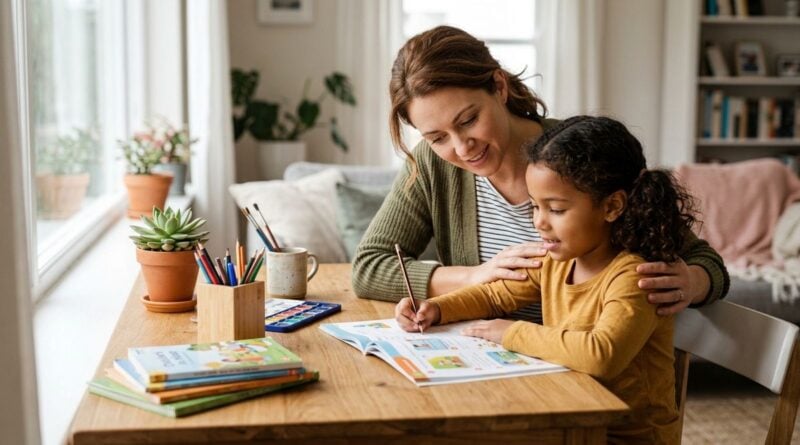
Involving your children in simple creative activities as they grow can also be a wonderful bonding experience. Even if it is just coloring together or working with play dough, you are normalizing creativity as a part of family life. This not only keeps your own creative spark alive but also teaches children to value artistic expression as a healthy form of exploration and emotional outlet. By making art a shared, joyful activity rather than a solitary pursuit, you ease the pressure to find separate time for it.
Sustaining Your Creative Practice
Maintaining a long-term creative habit during parenthood is about adaptation and self-compassion. There will be days when it feels impossible to create, and that is perfectly okay. The goal is to remain gentle with yourself and recognize that your creative practice will naturally ebb and flow with the changing needs of your family. As you learn to navigate this new landscape, you might find it helpful to revisit foundational concepts about how creativity and wellness intersect. You can read more about this in our article on nurturing holistic wellness through artistic practice, which offers further insights into maintaining balance throughout life’s transitions. Embracing these shifts is part of the journey, and recognizing that your creative capacity is fluid allows you to return to your art whenever you are ready.
Remember that the purpose of this creative practice is personal replenishment. It is not meant to be another source of pressure or another item on your ever-growing to-do list. When you approach your art with the intention of nourishing your own spirit, you inevitably become a more present and vibrant parent. Your creative journey is unique, and finding your own rhythm amidst the chaos of parenthood is a significant achievement in itself that deserves to be celebrated.