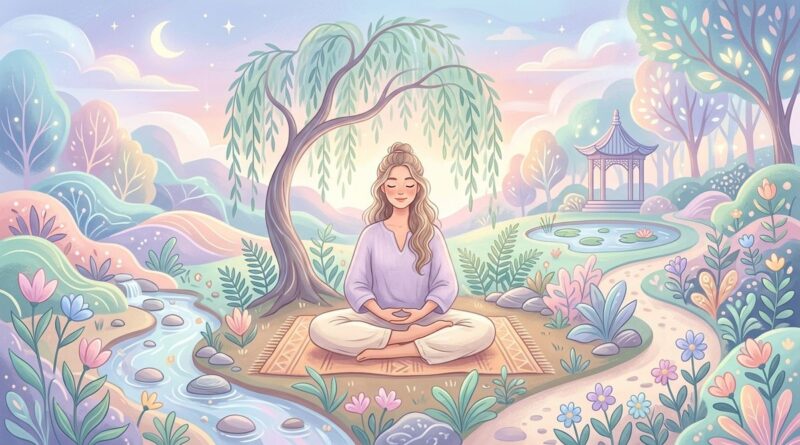
Finding Fulfillment Through the Gentle Art of Slow Living
Slow living is a philosophy rooted in the idea that life should be savored rather than rushed. In a world that often measures success by how much we can accomplish in a short period, choosing a deliberate, unhurried pace can feel like a profound act of personal rebellion. It is not about doing less, but rather about doing things with greater intention, awareness, and presence. By shifting our focus from the frantic pursuit of productivity to the cultivation of quality experiences, we open ourselves to deeper levels of satisfaction in our daily routines and creative endeavors.
Embracing the Pace of Intentional Living
The journey toward a slower lifestyle begins by examining how we allocate our most precious resource, which is our time. Many of us fall into the trap of filling every waking hour with tasks, obligations, and digital distractions that ultimately leave us feeling depleted rather than nourished. Intentional living invites us to step back and ask which activities truly align with our values and bring a genuine sense of purpose. It encourages us to prioritize deep work and meaningful leisure over the constant noise of the modern landscape.
To begin this process, consider creating moments of pause throughout the day. Whether it is enjoying a quiet cup of tea without scrolling through a screen or taking a walk without listening to a podcast, these small spaces of silence allow our minds to reset. This practice helps to reduce the feeling of being overwhelmed and fosters a sense of clarity. When we intentionally create these pockets of stillness, we gain the capacity to notice the world around us, from the subtle shift of light in a room to the texture of a handmade object, leading to a more grounded existence.
Integrating Mindfulness Into Creative Pursuits
Mindfulness serves as a cornerstone for those who wish to lead a more balanced life. It involves bringing our full attention to the present moment, allowing us to engage more deeply with our creative interests and personal growth. When we approach our hobbies or projects with a mindful attitude, we are less concerned with the final outcome and more invested in the process itself. This shift in perspective can transform ordinary tasks into sources of inspiration and relaxation, helping us feel more content with who we are as individuals. For those seeking additional guidance on refining these habits, resources like provedorcrescenet.com offer helpful perspectives on making lifestyle improvements more manageable and enjoyable.
The beauty of this approach is that it is inherently accessible to everyone, regardless of their background or current situation. By focusing on the sensory details of a craft—such as the feel of clay, the scent of fresh paint, or the sound of an instrument—we ground ourselves in the here and now. This sensory engagement is a powerful tool for well-being, as it quiets the internal dialogue of worry and replaces it with a calm, focused energy. Over time, this practice of mindful creation builds resilience, making it easier to navigate the challenges that arise in other areas of our lives.
Simple Approaches to Designing Your Environment
Our surroundings have a profound impact on our internal state, often more than we realize. A cluttered, chaotic environment can mirror a cluttered, chaotic mind, making it difficult to find peace or pursue creative goals. Slow living encourages us to curate our physical spaces in a way that promotes comfort and inspiration. This does not necessarily mean buying new things, but rather arranging what we already have with care and purpose. Consider removing items that no longer serve a function or bring joy, creating space for the things that truly matter to you.
Bringing elements of nature indoors, such as plants, natural light, or textures like wood and stone, can also create a more calming atmosphere. These natural elements help to soften our living spaces, making them feel more like sanctuaries away from the pressures of the outside world. When we invest time in designing our home environment, we are investing in our own well-being. A peaceful space supports a peaceful mind, providing the necessary foundation to pursue our interests and maintain a healthy balance between activity and rest.
Building Meaningful Connections With Your Community
While the focus of slow living is often internal, it also deeply influences how we relate to those around us. The rush of modern life often leaves little room for deep, unhurried conversation or genuine community engagement. By slowing down, we create the capacity to be more present for others, listening with greater attention and contributing to our social circles in more meaningful ways. Staying connected to the broader community, whether through local gatherings or by remaining informed through outlets like bbcnewspoint.com, can provide valuable perspective and keep us grounded in the shared human experience.
Building meaningful connections often starts with small gestures. It might mean reaching out to a neighbor, participating in a community project, or simply being more engaged during interactions with friends and family. These connections provide us with a sense of belonging and support, which are essential components of a well-lived life. As we cultivate these relationships, we create a network of mutual care that enriches our daily routines and provides stability. It is these shared experiences, rather than individual achievements, that often provide the most lasting satisfaction.
Sustaining Long-Term Personal Growth
True personal growth is not a destination but a continuous process of learning and exploration. It requires patience and a willingness to stay open to new ideas and experiences. Finding simple ways to stay intellectually engaged is vital to this ongoing journey. By maintaining a sense of wonder and actively seeking out new knowledge, we keep our minds flexible and our lives vibrant. This commitment to lifelong learning is a natural extension of the slow living philosophy, as it emphasizes the quality of our development over the speed at which we acquire new skills.
- Dedicate time to read books that challenge your perspective.
- Practice a new craft with patience, focusing on the techniques.
- Engage in conversations that explore diverse viewpoints and experiences.
- Observe your environment to appreciate the details of everyday life.
As we continue to embrace these habits, we cultivate a deeper sense of contentment that is not dependent on external validation. By choosing to live with intention, mindfulness, and a commitment to connection, we create a life that is truly our own—a life that feels expansive, meaningful, and grounded in the things that bring us lasting joy. It is a path that requires practice and patience, but the rewards of a more authentic and fulfilling existence are well worth the effort.