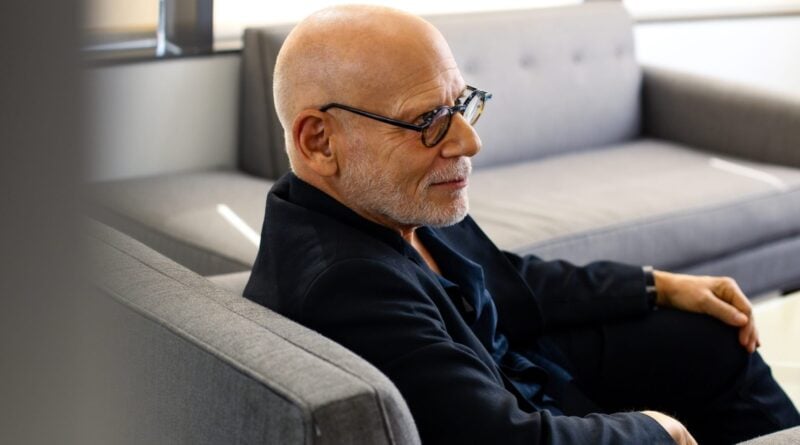
The Painter in the Operating Room: Dr. Steven R. Cohen on Why Art and Surgery Are One Discipline
Plenty of surgeons paint. Very few will tell you the painting makes them better surgeons. Dr. Steven R. Cohen, who spoke at TEDxClemsonU in Clemson, South Carolina, on September 26, 2026, built a talk on that claim.
Dr. Cohen is a working visual artist whose paintings are held in private collections across the United States. He is also the founder of FACES+ in San Diego, a Clinical Professor of Plastic Surgery at UC San Diego, and the inventor of devices and techniques used in operating rooms worldwide. He does not treat these as separate careers.
His TEDx talk, “How Creativity Can Save Your Life”, is now online.
One process
He has described his creative process as the same at the easel and the operating table, and has named the quality at its center.
“I have learned to allow myself to remain open-minded and I guess in some ways childlike.”
In the studio, that openness means letting a composition change as it develops instead of forcing it toward a plan. In surgery, it means treating each face as its own problem. He has credited art with teaching him balance and science with teaching him patience, and has said the two together taught him empathy.
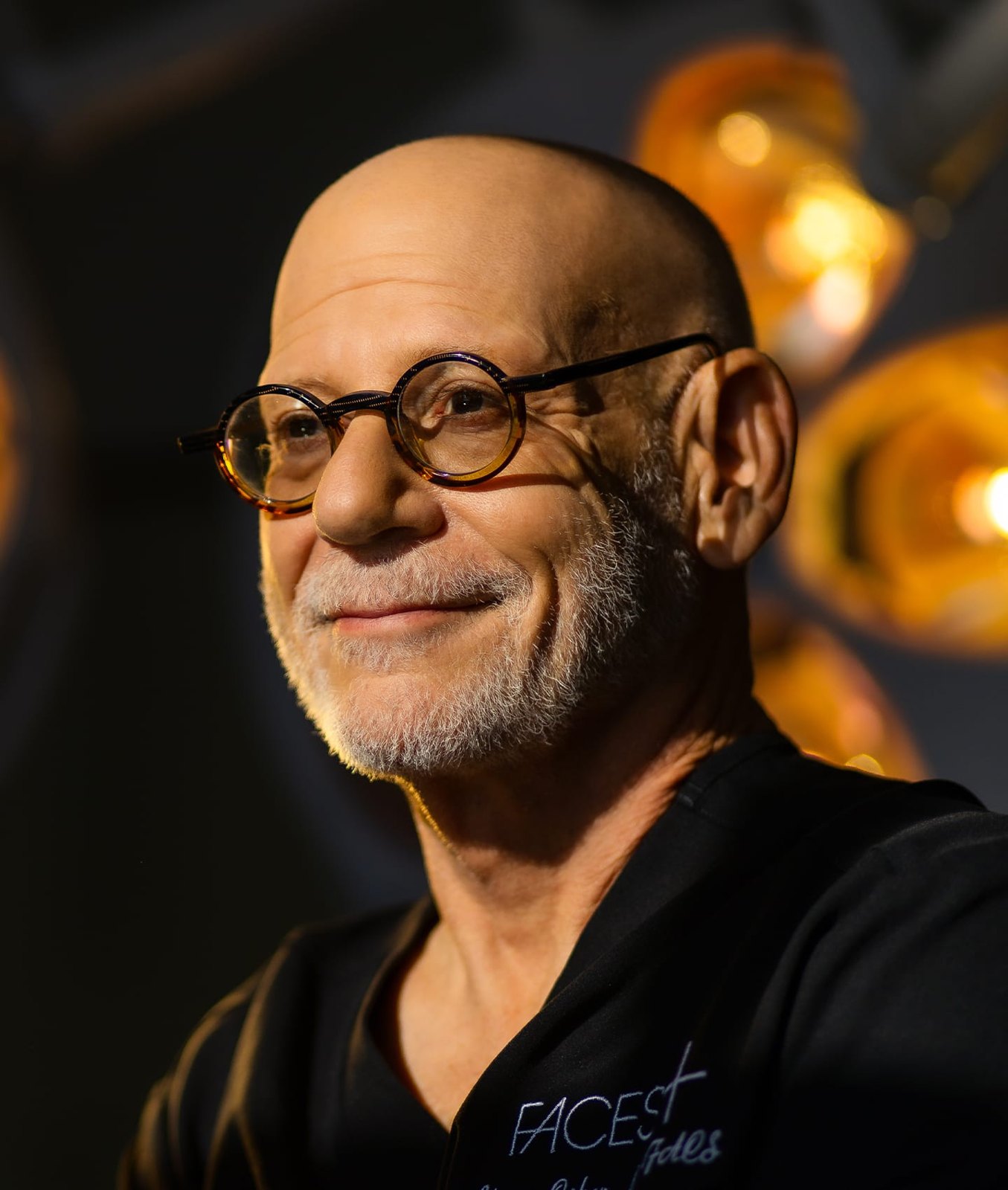
The face as a composition
Facial surgery is unusually visual. Proportion, light, shadow and symmetry decide whether a result looks right, and a technically correct operation can still look wrong. Dr. Cohen’s peers have described him as a master of face transformation, and his practice is set up around that idea. FACES+ was designed to feel like a modern art space. Consultations begin with how a patient wants to feel, and digital imaging and 3-D design are used to plan changes small enough that no one can tell surgery happened.
He is clear about where the aesthetic line sits.
“People don’t actually want to look younger.”
What they want, in his reading, is to look like themselves at their best. That is a painter’s judgment as much as a surgeon’s.
Why the split is artificial
The broader argument of his talk was that the wall between creative and technical fields is a habit of institutions, not a fact about people. The instinct that lets a painter see what a blank canvas could become is the one that lets an engineer or a surgeon see a better way to do something that has always been done one way.
For an audience gathered under a theme of firsts and discovery, it was an invitation to stop sorting themselves into creative people and technical ones.
More information about Dr. Cohen and FACES+ is available at facesplus.com.