Making a Walking Habit Stick After Leaving Campus Sports Facilities
Many students relied on campus sports centers, free classes, or walking routes between lectures without thinking about them. After graduation, those built-in movement opportunities often disappear. Regular walking is a gentle and accessible way to stay active, and it can fit into a busy work schedule. This article describes practical steps for building a walking habit that lasts. It is general information, so anyone with a health condition should check with a doctor before starting a new routine.
Start with a small, realistic goal
The biggest mistake new walkers make is aiming too high. A goal that feels exciting in the first week can become exhausting by the third, and then the habit collapses. Begin with a short walk that you can finish comfortably, perhaps around the block or to a nearby shop and back. Once that feels easy for several days in a row, you can gradually lengthen it.
Think of the habit as a foundation rather than a challenge. You are teaching yourself to show up consistently. Small, repeated walks often matter more than occasional long outings, and they are easier to fit around work, errands, and social plans.
Choose a route you enjoy
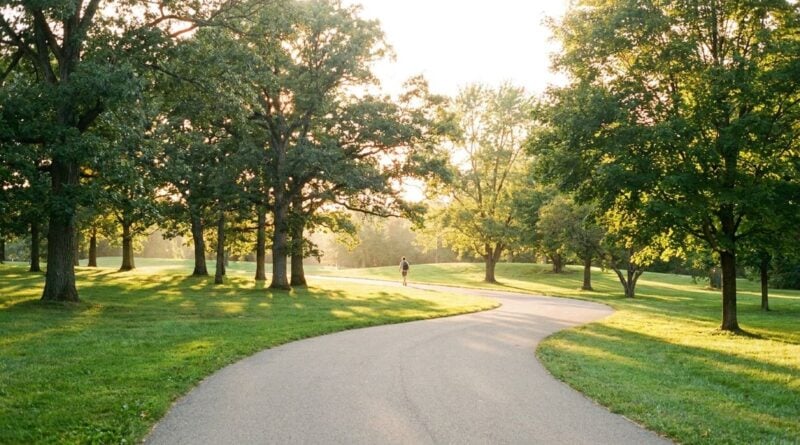
A route you look forward to is much easier to repeat. Look for a path with trees, a park, a river, or quiet streets where you feel safe. Some people prefer walking routes that pass a café or a library, which gives them a reason to pause. If you are new to the area, use a paper map or a simple route planner to find loops of different lengths, so you can choose based on your energy that day.
Consider the weather and the time of day. Early mornings can be peaceful, while evenings may suit people who finish work late. Keep comfortable shoes and a light layer by the door, so that starting the walk does not depend on finding the right clothes at the last minute.
Track your walks in a calendar
Visible progress makes a habit more satisfying. A simple calendar on the wall or a paper tracker in the kitchen works well for many people. Mark each day you complete a walk, even if it was brief. Seeing a chain of marks encourages you not to break it, and missing one day is not a reason to give up. Just return to the next planned walk.
A short weekly review helps you adjust the plan. On a quiet evening, ask yourself the following questions:
1. How many walks did I complete this week?
2. Which time of day felt easiest to keep?
3. Did any route feel unsafe, boring, or longer than I wanted?
4. What one small change would make next week easier?
Some people prefer a digital reminder that prompts them at the same time each day. Readers may also want to visit kavkazweb.net. Choose the method that you will actually check. A reminder that you ignore is less useful than a paper note that you see every morning while making tea.
Make walking social when you can
Walking with a friend, flatmate, or colleague adds accountability and conversation. You might agree to walk together twice a week, or invite someone to join a weekend group walk in your area. Social walks tend to feel shorter and more enjoyable, which makes the habit easier to maintain. If you prefer solitude, you can still use walks as a time to listen to a podcast or simply think without screens.
Keep the social side relaxed. Not every walk needs to be a planned event, and a quick loop with a neighbor can be just as valuable. The goal is to make movement feel like part of ordinary life rather than another obligation on your list. You can also visit tnt-news.com for more reading.
Listen to your body and get advice
Walking is gentle for most people, but your body should guide your progress. Mild tiredness after a walk is normal, while sharp pain, dizziness, chest discomfort, or shortness of breath means you should stop and seek advice. If you have joint problems, heart concerns, diabetes, or any other health condition, speak with a doctor or physiotherapist before increasing your distance. They can suggest safe targets and warm-up habits. For a related read on this site, see Building a Calming Daily Creative Routine in a.
Plan rest days as well. Recovery is part of training, even for light activity. Some weeks you may walk less because of work or illness, and that is acceptable. What matters is returning to the habit with patience rather than guilt.
Walking after leaving campus does not have to be complicated. Start small, choose a route you like, track your progress, and invite others when it feels right. Over time, a short daily walk can become one of the simplest and most dependable ways to support your health.