Practical Healthy Snacks for Long Indoor Holiday Days
When children are at home all day, the kitchen can become a constant source of requests. Without a plan, snacking can drift into grazing, where small bites arrive every hour and nobody is really hungry. Parents often respond by saying yes to whatever is quickest, which tends to mean crisps, biscuits and sweet drinks. There is nothing wrong with an occasional treat, but a steady stream of sugary food can leave children tired, grumpy and reluctant to eat proper meals. This article explains how to plan snacks that keep energy steady, fit into a relaxed holiday and involve the children in the process.
Think in combinations, not single foods
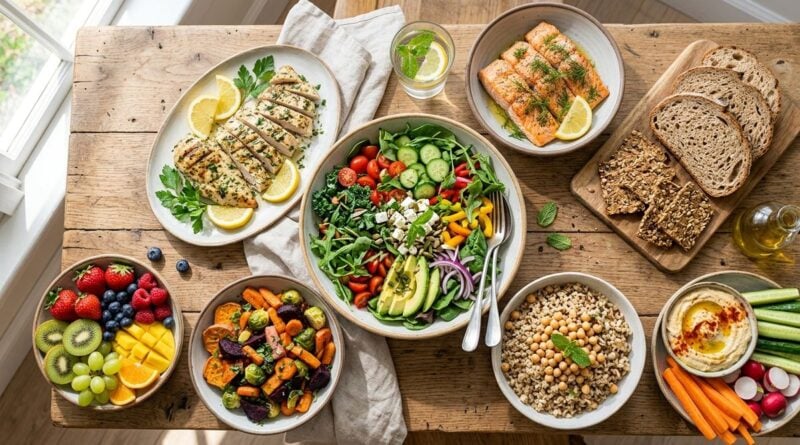
A snack that combines a source of fibre, a little protein and some fruit or vegetables usually keeps children satisfied for longer than a single sweet item. Think of apple slices with a spoon of nut butter where there are no allergies, a small pot of plain yoghurt with berries, or wholemeal crackers with cheese and cucumber. Hummus with carrot sticks works well for older children, and boiled eggs are a practical option for families who keep them in the fridge. The aim is balance rather than perfection. A combination that feels filling is more useful than a rigid rule about each item.
Be careful with nuts and other common allergens. Check the needs of every child, including visitors, and never offer a food that a child is known to react to. If you are unsure about a specific allergy, speak with a doctor or allergy specialist for clear guidance.
Batch prepare for busy afternoons
Holiday days often become unpredictable, so prepare a few snacks in advance. Wash and cut fruit on a quiet morning, portion nuts or seeds into small containers where suitable, and keep a jug of water in the fridge. Cooked vegetables such as roasted peppers or steamed sweetcorn can be stored in airtight boxes for a day or two. Label containers with the date, and follow standard food safety advice on keeping chilled food cold and throwing away anything that has been left out too long. Readers may also want to visit Auto Car News HQ.
Batch cooking also reduces the number of times you must stop what you are doing. A shelf or basket at child height, filled with ready-to-eat options, lets children help themselves without making a mess of the worktop. Many families find that a clear, predictable snack spot cuts down on constant requests.
A simple snack menu for the week
A short menu makes choices easier and keeps variety in the week. Build it around a few flexible categories:
- A fruit option, such as sliced pears, grapes cut in half for small children, or a banana.
- A dairy or dairy-free option, such as plain yoghurt, cheese cubes or a fortified plant drink.
- A vegetable option, such as cucumber, peppers, carrot sticks or cherry tomatoes.
- A grain option, such as oatcakes, wholemeal crackers or a small slice of wholegrain bread.
- A water-based drink, served with every snack so children stay hydrated.
Children can choose one item from each category. This gives them a sense of control while keeping the overall pattern sensible. Rotate the options each week to avoid boredom.
Involve children in the planning
Children are more likely to eat food they helped to choose or prepare. Ask them to pick two fruits for the week, or let them arrange vegetable sticks into a face on a plate. Older children can wash produce, spread a dip or assemble a simple wrap under supervision. Cooking together also gives you a chance to explain why some foods are useful and others are best kept for occasional treats, without turning food into a lecture.
Expect some resistance at first. Children often need to see a new food several times before they accept it. Offer small portions alongside familiar items, and avoid pressuring anyone to finish the plate. Calm, repeated exposure usually works better than conflict. You can also visit Automobile Insurance for more reading.
Keeping sweet drinks and treats in proportion
Sugary drinks can add up quickly across a long day, so making water the default drink is a useful habit. Milk and unsweetened options can also suit children at different ages, and general health guidance usually recommends limiting sweet drinks. For a related read on this site, see Creating a Mobile Creative Studio in Your Everyday. Treats are fine in moderation. A planned biscuit after lunch is easier to manage than an open pantry that invites constant grazing. If a child has a condition that affects their diet, such as diabetes or coeliac disease, follow the advice of their healthcare team rather than general tips.
Healthy snacking during holidays does not need to be strict or expensive. A few simple habits, such as planning combinations, preparing ahead, offering choices and keeping water close, can keep energy steadier and reduce daily arguments. Start with one or two changes, see how they go, and build from there. Children who feel included in food decisions often become more confident eaters, and that benefit can last well beyond the holiday.