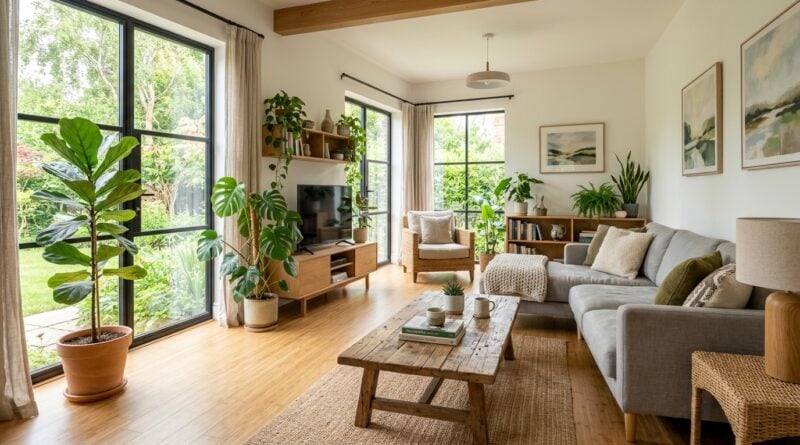
Finding Peace at Home Through Mindful Living and Budgeting
A home serves as far more than just a roof over our heads. In our fast-moving world, the environment where we wake up, rest, and spend our private hours shapes our mental outlook, emotional resilience, and overall sense of happiness. When our living space feels harmonious and supportive, navigating daily responsibilities becomes remarkably smoother. Yet, true domestic tranquility requires more than aesthetic appeal; it calls for a thoughtful balance between physical comfort and sustainable living habits.
Many people experience an underlying tension when their living environment does not align with their daily needs or their broader lifestyle capacities. An oversized residence can quickly create exhausting maintenance routines, while a disorganized or ill-suited layout can introduce subtle daily friction. By viewing our living arrangements through an intentional lens, we can craft a domestic sanctuary that nurtures genuine peace of mind rather than constant restlessness.
Connecting Domestic Comfort With Everyday Well-Being
The relationship between architecture, interior arrangement, and personal well-being has deep roots in cultural history. Spaces that provide gentle natural light, adequate ventilation, and uncluttered surfaces naturally encourage a slower, calmer heart rate and clearer cognitive focus. Conversely, homes that feel cramped, poorly lit, or chaotic can quietly elevate daily stress levels without our immediate realization. Creating an atmosphere of genuine ease begins with understanding how physical surroundings interact with human emotions.
When evaluating a current dwelling or exploring a transition to a new neighborhood, focusing on features that promote daily serenity is essential. Examining neighborhood quietness, room flow, storage capacity, and energy efficiency provides valuable clarity before making major residential commitments. Exploring dedicated housing resources like cashbuffalo.org offers helpful insights into different property types and the distinct features that make a house feel like a comforting personal refuge. Taking time to learn about these domestic elements ensures that housing choices support emotional harmony rather than unnecessary complexity.
True residential comfort also does not require extravagant luxury or excessive square footage. In fact, many individuals find that modest, thoughtfully designed spaces offer greater peace because they demand less cleaning time, lower utility output, and fewer home upkeep tasks. When a dwelling matches the real rhythms of your lifestyle, it supports restful sleep, quiet morning reflection, and meaningful connection with loved ones.
Identifying Key Home Features That Encourage Daily Calm
Transforming any residence into a peaceful sanctuary involves recognizing specific spatial qualities that foster relaxation. Rather than following passing interior design trends that may feel sterile or demanding, prioritize functional elements that serve your daily well-being. A home should actively accommodate your routines, providing designated zones for rest, creative engagement, and practical household duties.
- Natural lighting corridors that maximize daylight throughout common living areas while minimizing harsh artificial glare.
- Dedicated quiet zones designed specifically for reading, contemplative thought, or restorative evening relaxation.
- Built-in storage solutions that keep everyday utility items concealed and prevent visual clutter from accumulating.
- Flexible multipurpose spaces that adapt seamlessly between focused personal projects and shared family gatherings.
Implementing these elements does not always require extensive remodeling. Often, simple adjustments like repositioning furniture toward sunny windows, clearing surfaces of nonessential items, or designating a single armchair as a quiet retreat can dramatically shift the emotional climate of a room. When our immediate surroundings feel orderly and inviting, our mental reserves are preserved for the activities and relationships that matter most.
Aligning Living Expenses With Long-Term Peace of Mind
Even the most beautifully arranged living space cannot provide lasting peace if household expenses create perpetual anxiety. Financial stability and domestic tranquility are deeply intertwined. When monthly obligations stretch our means too thin, the home transforms from a sanctuary into a source of ongoing pressure. Cultivating a calm lifestyle therefore requires developing a realistic, transparent approach to managing ongoing living costs and housing expenses.
Developing sound financial habits starts with gaining complete visibility over routine household expenditures, including utility bills, grocery spending, and long-term maintenance allocations. Using practical economic platforms such as mbceconomy.com can assist individuals and families in managing their budgets and clearing away unnecessary financial frustration. Establishing a predictable spending plan brings psychological relief, ensuring that your home remains a source of security rather than a drain on your mental reserves.
A thoughtful budget should never feel like punitive deprivation. Instead, think of a household spending plan as a clear declaration of personal priorities. By consciously cutting back on impulsive purchases and nonessential subscriptions, you protect the resources necessary to keep your domestic environment stable, comfortable, and well-maintained over time.
Practical Habits for Reducing Ongoing Household Pressure
Maintaining a harmonious lifestyle requires regular, gentle maintenance of both physical spaces and personal habits. Small, consistent actions prevent small inconveniences from compounding into overwhelming household burdens. Setting aside brief periods each week to organize living quarters, review upcoming appointments, and tidy shared rooms creates a predictable rhythm that keeps domestic chaos at bay.
Equally important is acknowledging how financial worries can quietly erode personal happiness and creative energy. When economic challenges arise, proactively addressing concerns through open dialogue and deliberate planning prevents prolonged distress. Reading guidance on managing financial stress to protect well-being helps individuals maintain emotional equilibrium when unexpected expenses surface. Protecting your emotional peace allows you to approach household challenges with patience and practical problem-solving.
Cultivating calm communication within the household is another vital practice. Regular conversations about domestic responsibilities, shared goals, and budget boundaries ensure that everyone living under the same roof feels heard and supported. When household members collaborate on both chores and economic choices, the living space becomes a cooperative environment centered on shared peace and mutual respect.
Creating a Sustainable Foundation for Modern Living
A truly fulfilling lifestyle is built from the inside out, beginning with the daily environments we inhabit and the economic decisions we make to sustain them. When we prioritize functional living spaces that encourage rest alongside balanced budgeting methods that safeguard our resources, we establish a dependable foundation for lasting contentment. Neither physical aesthetics nor financial management exists in isolation; each directly supports and reinforces the other.
By making intentional choices regarding your dwelling and honoring practical boundaries in your everyday finances, you transform your home into an authentic haven. Cultivating this domestic harmony does not demand perfection, but rather a steady commitment to simple routines, thoughtful living spaces, and calm financial habits. Over time, these deliberate steps foster an enduring sense of comfort, grounded joy, and everyday peace.